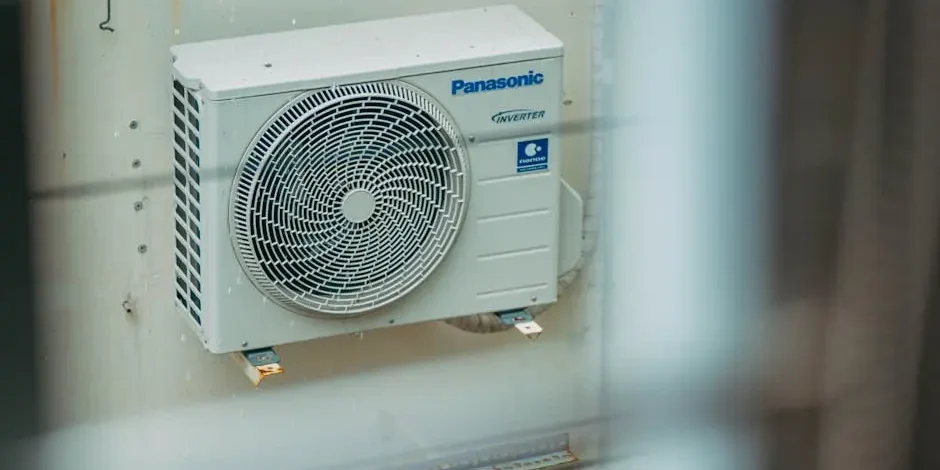
Maintaining a comfortable and energy-efficient home is on everyone’s to-do list. One aspect that often goes unnoticed is the condition of your HVAC system. Are you curious about what an HVAC assessment entails and why it should be on your radar? Let’s break it down in simple, easy-to-understand language.
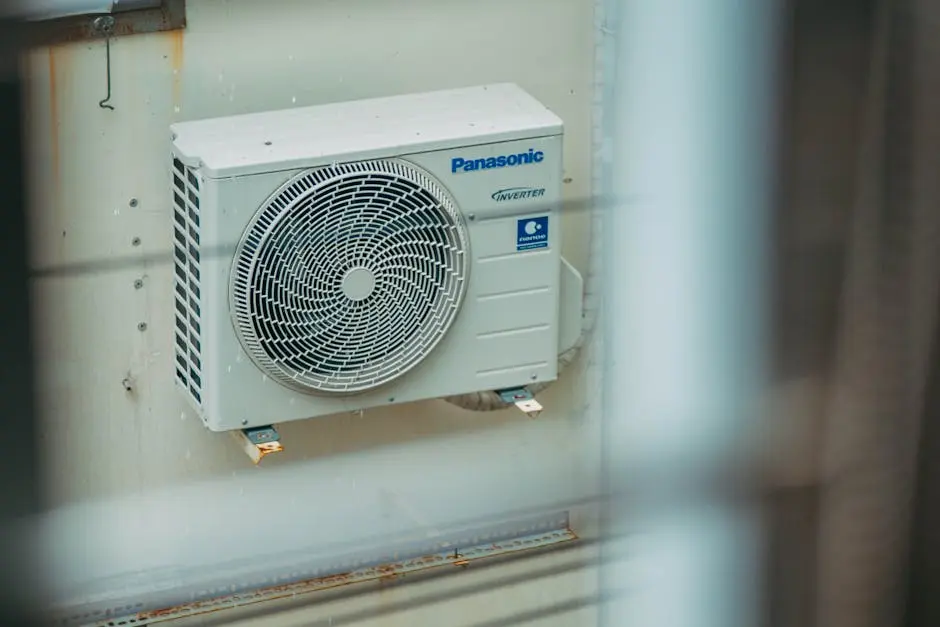
What is an HVAC Assessment?
An HVAC assessment is a comprehensive evaluation of the heating, ventilation, and air conditioning systems in your home. It’s designed to ensure that each component is operating correctly, efficiently, and safely. The assessment identifies potential problems that might not yet be apparent to a homeowner but could lead to reduced comfort, increased energy costs, or system failures if not addressed in time. By evaluating your system’s components, an HVAC assessment helps keep your home environment comfortable and energy-efficient.
Consider an HVAC assessment as a health check-up for your home’s climate control system. Much like you wouldn’t ignore regular visits to your healthcare provider, occasional HVAC assessments by a professional can maintain your indoor comfort and safety. Regular check-ups help you stay ahead of any issues, ensuring that everything runs smoothly and effectively.
Components of an HVAC Assessment
The complexity of an HVAC system requires a detailed inspection process to confirm that its many components are working in harmony. During an assessment, the technician will first check the air filters to make sure they are clean and functioning correctly, as dirty filters can cause the system to overwork and reduce air quality. Next, they’ll inspect the ductwork for any leaks or blockages that might impede proper airflow.
A professional will also evaluate the thermostat’s accuracy and functionality, ensuring it properly communicates with the HVAC system to maintain the desired temperature throughout your home. Additionally, they will assess refrigerant levels in the cooling system, which are critical for effective temperature control and energy efficiency. These steps are vital to prolonging the life of your HVAC system and maintaining a comfortable indoor environment.
Besides the core unit checks, the inspector will look into aspects such as the ventilation system, making sure it provides adequate airflow throughout the home. This is crucial not just for comfort but also for maintaining the healthiness of the indoor air quality. HVAC assessments are meticulous and thorough, addressing both existing issues and potential future concerns.
The Importance of Regular HVAC Assessments
Regular HVAC assessments are vital in preventing unexpected breakdowns and ensuring the smooth functioning of your home’s system. They help extend the lifespan of your HVAC equipment, minimizing the need for costly repairs or replacements down the line. Properly maintained systems are also more energy-efficient, which can significantly reduce your utility bills and carbon footprint.
Performing routine checks can reveal issues like dirty filters, minor leaks, or other inefficiencies that might not be noticeable until they evolve into larger problems. By addressing these issues promptly, homeowners can ensure that their HVAC system operates at peak performance all year round.
In addition to financial savings and system longevity, regular assessments improve the safety and quality of your indoor climate. Heating and cooling systems that work optimally help in avoiding problems such as mold growth due to moisture imbalances or poor air quality that can lead to health issues.
Signs You Need an HVAC Assessment
Several indicators suggest it’s time for an HVAC inspection. Unusual noises may hint at mechanical troubles within your system, while inconsistent room temperatures can be a sign of thermostat or ductwork issues. Rising energy bills may also be a red flag that your system is not running as efficiently as it should. If you’ve noticed any of these symptoms, it’s wise to consult with a professional who can diagnose and remedy the situation.
Frequent system cycling, where your HVAC system turns on and off repeatedly, is another signal that an assessment is needed. This could mean the system is struggling to maintain the set temperature due to issues like thermostat malfunctions or airflow restrictions. Rather than waiting for a complete system failure, a professional assessment can intervene early, saving time and resources while preserving your home’s comfort.
Choosing the Right Professional for the Job
Selecting a qualified professional to carry out your HVAC assessment is just as crucial as the assessment itself. Look for technicians who are certified and have a proven track record of quality service and customer satisfaction. Checking reviews and hiring professionals with licenses ensures that they adhere to industry standards and best practices while evaluating your system.
At AEI Inspections, we pride ourselves on our comprehensive approach to HVAC evaluations. We bring decades of expertise to the table, ensuring that every component of your system is scrutinized for performance and reliability. Knowing that your HVAC system is in capable hands allows you peace of mind, and our reports will guide you in making informed decisions about potential upgrades or repairs.
Why an HVAC Assessment is a Smart Investment
HVAC assessments are crucial for ensuring your home’s comfort, safety, and energy efficiency. By understanding the components and benefits of these assessments, you can make informed decisions that not only contribute to a cozier home but also save money and energy in the long run.