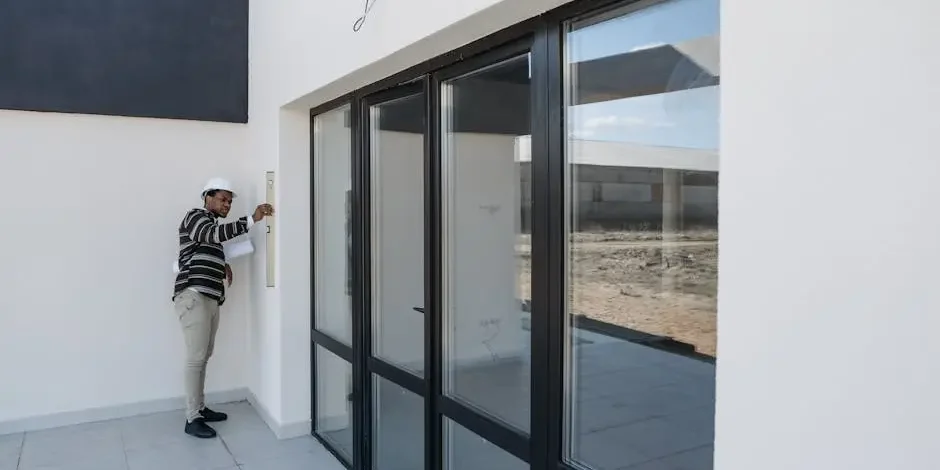
Before you sign on the dotted line for your dream house, there’s a crucial step that cannot be overlooked: the foundation inspection. Understanding the importance of this inspection can save you both time and money, and help ensure your future home is safe and secure. Let’s dive into why this step is so essential.

1. Avoiding Unexpected Repairs
A thorough foundation inspection can help identify structural problems before they become expensive headaches. Beyond visible wear and tear, an inspector can detect subtle signs that indicate deeper issues, such as slight shifts or settlements in the soil under your home. These minor changes can escalate if not addressed promptly, leading to costly and extensive repairs later on. Engaging in a foundation inspection gives you a clear picture of the current state of the property and any associated risks.
Considering the potential aftermath of ignoring foundation issues, investing in an inspection early on is a wise decision. It not only safeguards against future financial strain but also protects your family’s safety. After all, a strong foundation is synonymous with a secure home. Adequate measures in response to inspection findings can fortify your home’s endurance against time and usage.
2. Understanding the Homes Structural Health
Foundation inspections provide insights into the structural integrity and stability of the home. They encompass a detailed assessment of the building’s fundamental aspects, identifying any movements or warping that might undermine safety and functionality. Through this inspection, homeowners gain an understanding of underlying issues that may not be evident at first glance. It’s crucial to assess these conditions not just for immediacy but for the long haul, enhancing the longevity and livability of the home.
3. Revealing Misaligned Doors and Windows
Look for signs like misaligned doors and windows during inspections, as they can indicate foundation shifts. These subtle misalignments can disrupt your daily routine and indicate more severe underlying problems. Such issues might be caused by the foundation settling unevenly or other shifts in structural elements, which can lead to cracks and instability in the frame over time. Addressing these concerns sooner rather than later prevents larger complications and maintains the functionality of your daily environment.
Aside from operational inconvenience, these symptoms can downgrade the aesthetic appeal and market value of your property. Prospective homebuyers should be informed about what might seem to be minor issues but could realistically require significant intervention if left unchecked. By highlighting these concerns through inspections, homeowners are better prepared to take corrective actions that enhance the property’s overall standing.
4. Connecting Cracks and Foundation Issues
An inspection will focus on cracks in walls and floors, which may signal deeper foundation problems. These cracks, although often superficial in appearance, can hint at serious structural inadequacies. While some cracks are simply cosmetic, others could represent a more significant threat to the building’s integrity, such as shifts in the foundation or pressure from swollen soils. Detecting and differentiating these requires expert evaluation to ensure appropriate solutions are applied.
5. Ensuring Basement and Crawl Space Integrity
Basements and crawl spaces can reveal hidden water damage or structural issues often missed without a professional inspection. These areas are typically more susceptible to excess moisture accumulation, leading to mold growth and decay of primary structural components. Inspection of these spaces is vital, providing insights into water pathways and the effectiveness of drainage systems, all of which play a critical role in preserving the home’s foundation.
Basement health largely influences overall home environment quality. Effective identification of potential risks during inspections allows for targeted interventions, ensuring that the living spaces above remain unaffected by subterranean problems. Swift action informed by a thorough assessment can make a significant difference in energy efficiency and air quality, crucial for maintaining a comfortable and safe residence.
6. Preventing Water Damage
Proper inspections can identify grading problems or drainage issues that cause water damage. Common culprits like inadequate grading or faulty gutters can cause surface water to pool near the foundation, leading to erosion or seepage. These issues, if not addressed, compromise the foundation’s strength over time, necessitating expensive repairs or even significant foundation rehabilitation projects.
7. Spotting Poor Construction Practices
Foundation inspections might uncover signs of subpar construction that could compromise the house down the line. Whether these manifest as uneven settlements or substandard materials, catching them early can save homeowners from facing structural failures or unexpected costly reconstructions. As many of these issues may not be immediately visible during a regular walkthrough, expert evaluation is indispensable.
A seasoned inspector not only checks for quality in foundational work but also looks into how it integrates with the rest of the property. From ensuring proper alignment to confirming structural coherence, these inspections are critical in safeguarding homes against neglected construction practices that could evolve into severe issues.
8. Evaluating Past Repairs
An inspector can assess the quality and effectiveness of any previous foundation repairs. This analysis is crucial, as improperly executed repairs can be just as damaging as no repairs at all. Understanding the condition and longevity of previous work provides a clearer picture of future maintenance needs and potential risks. High-quality repairs should integrate seamlessly with the foundation, preventing additional stress points or future failures.
9. Considering Pest Infestations
Foundational weaknesses can invite pests; inspections help pinpoint areas vulnerable to infestations. Termites and other wood-destroying pests often find easy access through cracked foundations, quickly causing substantial damage. Detecting these problem areas early allows for preventative measures to fortify the property against such threats. Addressing potential entry points through inspection findings not only promotes structural integrity but also upholds the sanitary conditions of the home.
Maintaining a vermin-free environment also indirectly boosts the home’s value and liveability. Pest infestations can deter potential buyers and cost sellers dearly in terms of both eradication and repair efforts. A proactive approach through foundation inspections assures buyers of a secure investment free from hidden infestations.
10. Assessing Resale Value Impact
A clean bill of health for the foundation can increase a home’s resale value and appeal to future buyers. Buyers are more inclined toward properties verified to have sound structures, reducing concerns about potential future investments in repairs. Showcasing a solid foundation condition can set a property apart in a competitive market, granting leverage in pricing negotiations. Importantly, it reflects the owner’s commitment to thorough property maintenance, which appeals to discerning buyers.
11. Understanding Landshifting Effects
Inspections help evaluate risks from geological factors, such as soil movement and how it affects the foundation. Natural shifts in the soil due to seasonal changes or environmental conditions can apply uneven pressure, altering the foundation’s stability. An inspector’s insights into regional soil composition and movement patterns can aid homeowners in preparing for or mitigating potential issues before they escalate.
12. Safeguarding Against Natural Disasters
A strong foundation is crucial in areas prone to earthquakes, floods, or other natural events. Ensuring that the foundation is robust enough to withstand these natural forces offers peace of mind and could spare homeowners from catastrophic damage and substantial recovery expenses. Inspections guarantee that the foundation adheres to safety standards meant to endure environmental stresses, a vital factor for homes situated in high-risk zones.
13. Reducing Long-term Maintenance Costs
Identifying issues early on helps reduce the need for frequent repairs, saving costs over the home’s lifespan. Early detection through inspections can reveal minor problems before they evolve into significant challenges requiring large-scale intervention. This preemptive approach aids in budgeting and preparing for necessary home investments, extending the durability of the property with managed expenditures.
Moreover, maintaining a well-inspected foundation means less likelihood of confronting emergency repairs, which often incur a premium due to urgency. Steady vigilance, as informed by regular inspections, aligns with a holistic property management strategy, enhancing both its immediate livability and long-term resilience.
14. Building Confidence in Your Investment
A foundation inspection provides peace of mind, ensuring that your investment is sound and secure. When you’re confident in the integrity of your home’s foundation, it translates into assurance about the safety and viability of your entire property. This confidence extends beyond personal comfort, transforming into a selling point that can reassure prospective buyers in the future, significantly boosting the home’s market attractiveness.