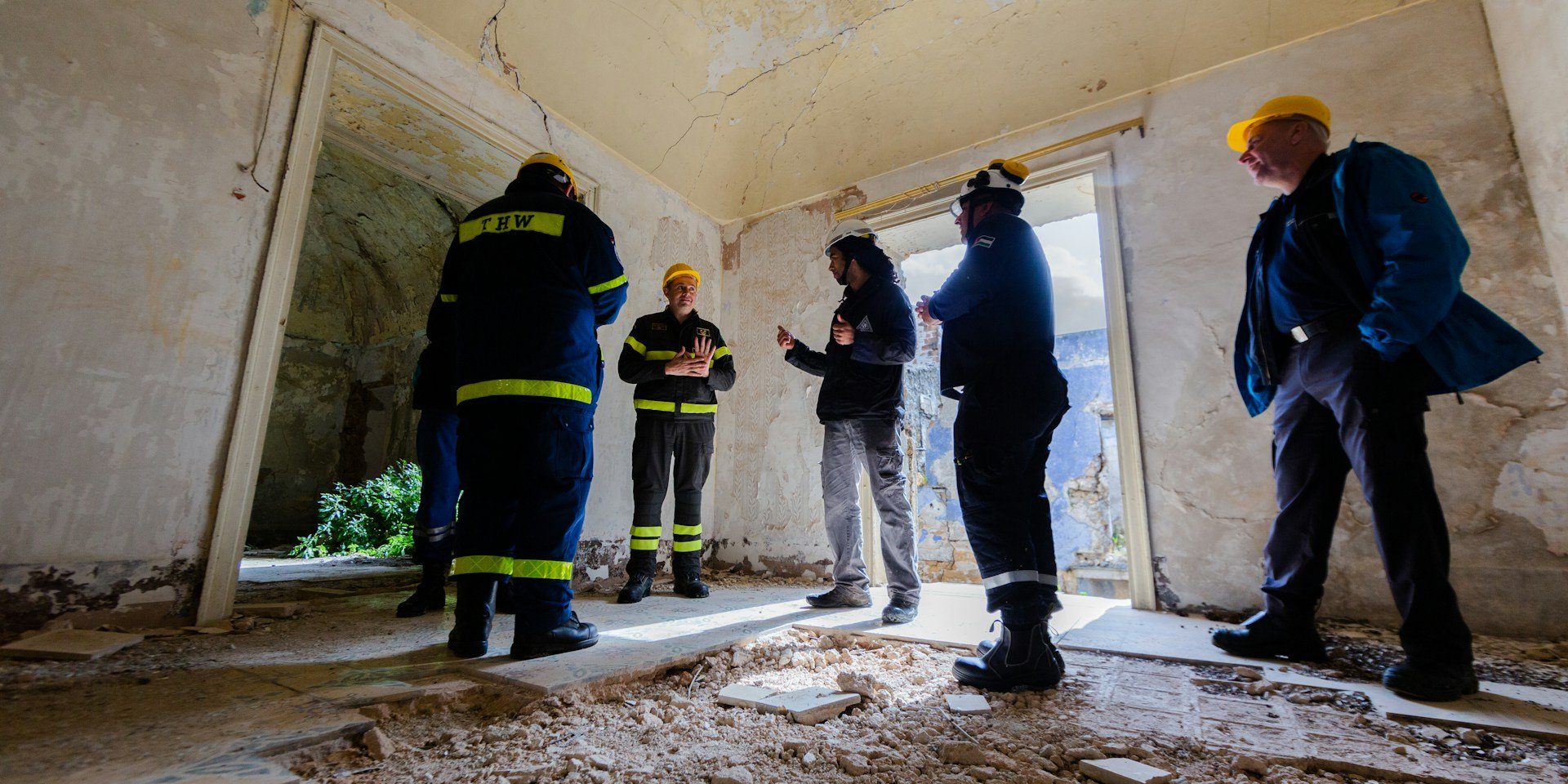
Structural engineering is a crucial part of building safe and strong structures. It ensures that the buildings we live and work in can stand up to everyday use and extreme weather. Whether you’re planning a construction project or just curious about your home’s structure, understanding the basics of structural engineering can be incredibly helpful.
At its core, structural engineering focuses on making sure structures can hold the loads they need to support. This involves everything from designing the framework of a building to selecting the right materials. Knowing how different elements work together helps ensure stability and safety for everyone inside.
Being aware of basic structural principles can also help you identify potential issues before they become big problems. Recognizing the signs of structural damage or wear is key to maintaining a safe home. By learning a few fundamental concepts, you can make informed decisions about repairs and upkeep. Understanding these basics enables you to take proactive steps in caring for your home, ensuring its longevity and safety.
Key Principles of Structural Engineering
Structural engineering focuses on ensuring that buildings and other structures are safe and stable. It involves planning and designing structures to support and resist loads. Engineers apply several key principles to guarantee a structure withstands the forces of nature and human use.
One essential principle is strength. Structures must be strong enough to support the weight or load placed upon them, including walls, roofs, and any furniture or machinery within. Engineers calculate the required strength using math and physical laws to ensure safe load-bearing without failure.
Another important principle is stability. Structures must resist external forces like wind, earthquakes, and ground movement. Engineers account for these forces by designing foundations, frames, and connections that can endure such stresses without bending or collapsing.
Durability is also a crucial aspect. Structures must last over time without degrading. This includes selecting materials resistant to wear, weather, and corrosion. Engineers choose and test materials to find the best options for a building’s environment.
Finally, engineers focus on serviceability. This means that structures must not only stand up but also remain comfortable and functional for users. Engineers ensure floors do not overly vibrate, walls and ceilings do not crack, and structures do not sway uncomfortably.
By integrating these principles, structural engineers can design buildings and structures that are not only safe and effective but also durable and enjoyable for daily use.
Common Structural Elements and Their Functions
Understanding the parts that make up a building can help explain how structures work. Several main components ensure buildings stay secure and functional.
Foundations serve as the base for buildings, transferring weight from the structure to the ground. They prevent the building from sinking or shifting. Foundations must be designed based on soil conditions and the size of the building to provide the necessary support.
Beams carry the load of a structure horizontally. They spread weight from walls, roofs, and floors to columns and foundations. Beams are usually made of steel, wood, or concrete and need to be strong enough to prevent bending or breaking.
Columns are vertical supports that transfer loads from ceilings or roofs down to the foundation. They bear the weight from above and channel forces to the ground, providing stability. Columns can be round or square and vary in size depending on the amount of weight they must hold.
Trusses are frameworks that support roofs or bridges. Composed of triangles joined together, trusses distribute weight uniformly across a structure. This makes them a lightweight yet strong option, often seen in wide-span constructions like auditoriums or warehouses.
Floors provide the horizontal planes people walk on. They must support furniture, equipment, and occupants. Floors often consist of layers, including a subfloor and a finished surface, each with different functions to ensure durability and comfort.
Walls separate spaces and support the roof. Some carry weight (load-bearing walls), while others are just for division (non-load-bearing walls). They also help keep out weather and provide soundproofing.
These elements work together to create safe and functional buildings, each playing a vital role in overall stability and design. Understanding their functions can help you appreciate the complexity and strength of the structures around you.
Identifying Signs of Structural Issues
Spotting early signs of structural problems can save you from bigger headaches later on. Regularly checking your home for potential issues helps keep it safe and sound. Knowing what to look for is the first step.
Cracks in walls and foundations are common indicators of structural problems. Small hairline cracks are often normal as houses settle but keep an eye out for larger, zigzagging cracks. These may mean trouble and should be checked by a professional.
Doors and windows that stick or don’t close properly can signal shifting or settling foundations. If you notice gaps around the frames or if they suddenly become hard to open, it might suggest a structural issue.
Uneven floors or sloping surfaces can indicate a problem with the foundation or supports. If your furniture seems tilted or if you feel like you’re walking uphill in parts of your home, it’s time to investigate further.
Listen for strange noises like popping or creaking. These sounds can suggest that something is amiss within the structure, such as shifting or settling beams.
Check for water damage, which can weaken structures over time. Look for stains or mold on walls and ceilings, especially after heavy rain, to catch leaks early.
If you spot any of these issues, addressing them quickly can prevent more serious damage. Early detection and action can help maintain your home’s safety and value.
Tips for Maintaining Structural Integrity
Keeping your home’s structure in good shape doesn’t have to be complicated. By following some simple tips, you can ensure that your house remains strong and secure.
Perform regular inspections to catch problems early. Walk around your home periodically to check for any cracks or shifts in the structure. Use a notebook to record any changes and address issues as soon as possible.
Maintain proper drainage around your home. Ensure gutters and downspouts work correctly to move water away from the foundation. This prevents water from pooling and causing erosion or damage to the foundation.
Control vegetation around your home. Large tree roots can interfere with the foundation, so plant trees at a safe distance. Trim bushes and other plants regularly to reduce moisture near the foundation.
Ensure your attic and basement are well-ventilated. Good airflow helps prevent moisture buildup and reduces the risk of mold, which can damage structural components over time.
Address minor repairs swiftly. Fix small leaks, replace damaged shingles, and fill minor cracks before they become bigger problems. This proactive approach protects your home against further wear and tear.
By following these maintenance tips, you can enhance your home’s safety and longevity. Keeping an eye on these areas will help you address potential problems before they escalate, ensuring a stable and secure living environment for you and your family.
Conclusion
Understanding the basic principles of structural engineering and keeping up with regular maintenance is essential for any homeowner. By recognizing the signs of structural issues and knowing how to maintain the integrity of your home, you can prevent costly repairs and create a safer environment. Regular inspections and proactive upkeep not only extend the life of your home but also offer peace of mind.
At AEI Inspections, we understand the importance of a structurally sound home. If you need further assistance or a professional inspection to ensure everything is in top shape, our experienced team is ready to help. With over 30 years of expertise in Tulsa, Broken Arrow, and the surrounding areas, we offer thorough home inspection and engineering services. Get in touch with AEI Inspections today to work with a structural engineer in Tulsa.