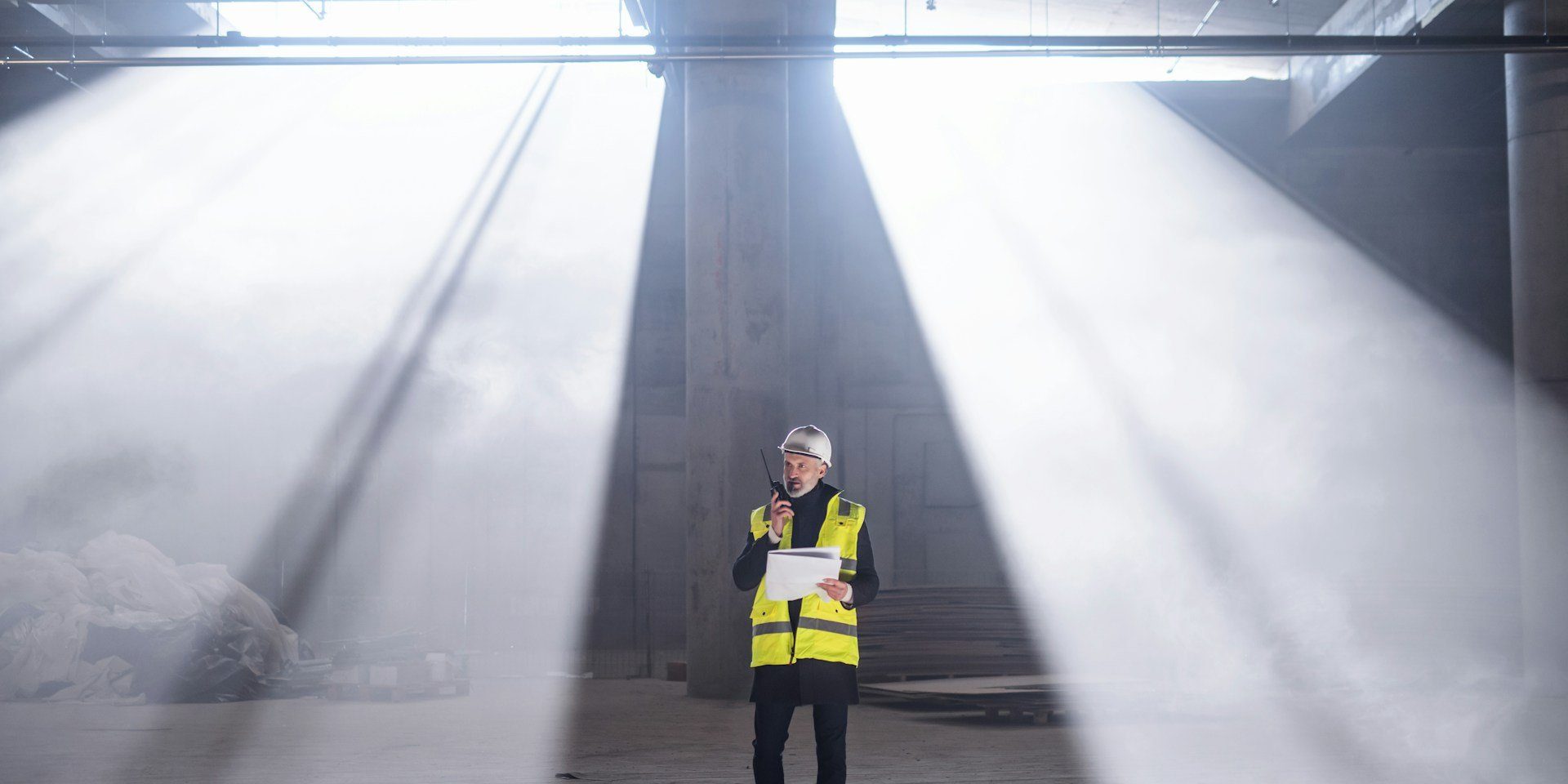
Buying a home is one of the biggest decisions you’ll make, and ensuring its structural integrity is crucial. Structural engineering plays an essential role in evaluating the safety and durability of a property. By understanding what structural engineers do and what they assess, you can make more informed decisions and avoid potential pitfalls.
Structural engineers evaluate key elements of a home, including its foundation, framing, and load-bearing structures. Their expertise helps identify serious issues that might not be visible to the untrained eye, such as foundation cracks or compromised beams. These assessments ensure the home is not only safe but also retains its value over time.
In this article, we’ll explore the vital role of structural engineering in home buying. We’ll discuss common structural issues, how inspections are conducted, and what to look for when hiring a structural engineer. With this knowledge, you’ll have the confidence to choose a home that’s both safe and sound.
What is Structural Engineering?
Structural engineering is a branch of civil engineering that focuses on the design, construction, and maintenance of structures that support or resist loads. In the context of home buying, structural engineering ensures that a house is stable and safe. This field is crucial because it deals with the integrity of a building, making sure it can stand up to everyday wear and tear, as well as natural forces like wind and earthquakes.
When you’re buying a home, understanding the importance of structural engineering helps you avoid potential disasters. A structural engineer assesses key elements of the property, such as the foundation, load-bearing walls, beams, and columns. They look for signs of distress, like cracks or shifts, that could indicate serious underlying issues. Their inspection helps identify problems early, providing valuable information that can affect your decision to buy.
The key elements assessed by structural engineers include the foundation, framing, and roof structure. They also inspect load-bearing walls and columns to ensure they are strong enough to support the weight of the building. This thorough assessment ensures that the home you are considering is not only safe to live in but also a sound investment.
Common Structural Issues in Homes
When inspecting a home, structural engineers often encounter a variety of common issues. These can range from minor flaws to serious problems that require immediate attention. One frequent issue is foundation cracks, which can indicate settling or unstable soil beneath the home. These cracks can lead to more significant problems if not addressed promptly.
Another common problem is structural movement, where parts of the building shift or settle unevenly. This can cause doors and windows to stick, floors to become uneven, and walls to crack. Poor drainage around the house is often a contributing factor, as water can erode soil and affect the foundation’s stability.
Also, termite damage is a significant concern, especially in wooden structures. Termites can weaken beams and joists, compromising the home’s integrity. Additionally, water damage from leaks or floods can lead to wood rot and mold, which further undermines structural components.
The impact of these structural issues on home safety and value cannot be overstated. A compromised foundation or structural instability can make a home unsafe to live in. Moreover, addressing these problems can be costly, affecting the overall value of the property. Ensuring that these issues are identified and resolved before purchasing can save you time, money, and effort in the long run.
How Structural Engineering Inspections Work
A structural engineering inspection is a thorough examination of a home’s structural components to ensure safety and stability. This process typically begins with a visual assessment, where the engineer looks for obvious signs of damage, such as cracks, uneven floors, or water damage. They inspect the foundation, walls, beams, and roof, checking for structural integrity and any signs of distress.
Next, the engineer uses a variety of tools and techniques to gather more detailed information. A laser level or plumb line can measure the evenness of walls and floors, while moisture meters detect areas of high humidity that might indicate water damage. Engineers also use specialized software to model the structure and assess load-bearing capacities.
The inspection culminates in a detailed report outlining any issues found and recommendations for repairs. This report is crucial for homebuyers, as it provides a clear picture of the property’s condition and what needs to be addressed for safety. Understanding this process helps you know what to expect and highlights the importance of having a professional inspection before making a purchase.
Choosing the Right Structural Engineer
Selecting the right structural engineer is vital to ensure a high-quality inspection. The criteria for choosing a qualified engineer include checking their credentials, experience, and reputation. Look for an engineer who is licensed and has substantial experience in residential properties. Reading reviews and asking for references can also provide insight into their reliability and expertise.
When hiring a structural engineer, it’s important to ask the right questions. Here are some key questions to consider:
- What is your experience with residential structural inspections?
- Are you licensed and insured?
- Can you provide references from past clients?
- What is included in your inspection report?
- How long will the inspection take, and when will the report be ready?
- What specific tools and techniques do you use during the inspection?
These questions will help you gauge the engineer’s suitability for your needs and ensure they have the necessary qualifications to perform a thorough inspection. Hiring a competent structural engineer provides peace of mind, knowing that your potential new home has been carefully evaluated for safety and durability.
Conclusion
Understanding structural engineering is crucial for making informed decisions when buying a home. From identifying common structural issues to knowing how inspections work, being well-informed helps you avoid costly mistakes and ensures the safety of your new home. Structural inspections reveal hidden problems that could affect the home’s value and your peace of mind.
By choosing a qualified structural engineer, you gain expert insights into the property’s condition. Their detailed assessments and recommendations guide you in addressing any issues before they become major problems. This knowledge is invaluable in protecting your investment and ensuring a safe living environment.
For a thorough and professional structural inspection, turn to AEI Inspections. Our experienced team of structural engineers in Tulsa provides the expertise you need for confident home buying. Contact AEI Inspections today to schedule your inspection and ensure your future home is safe and sound.