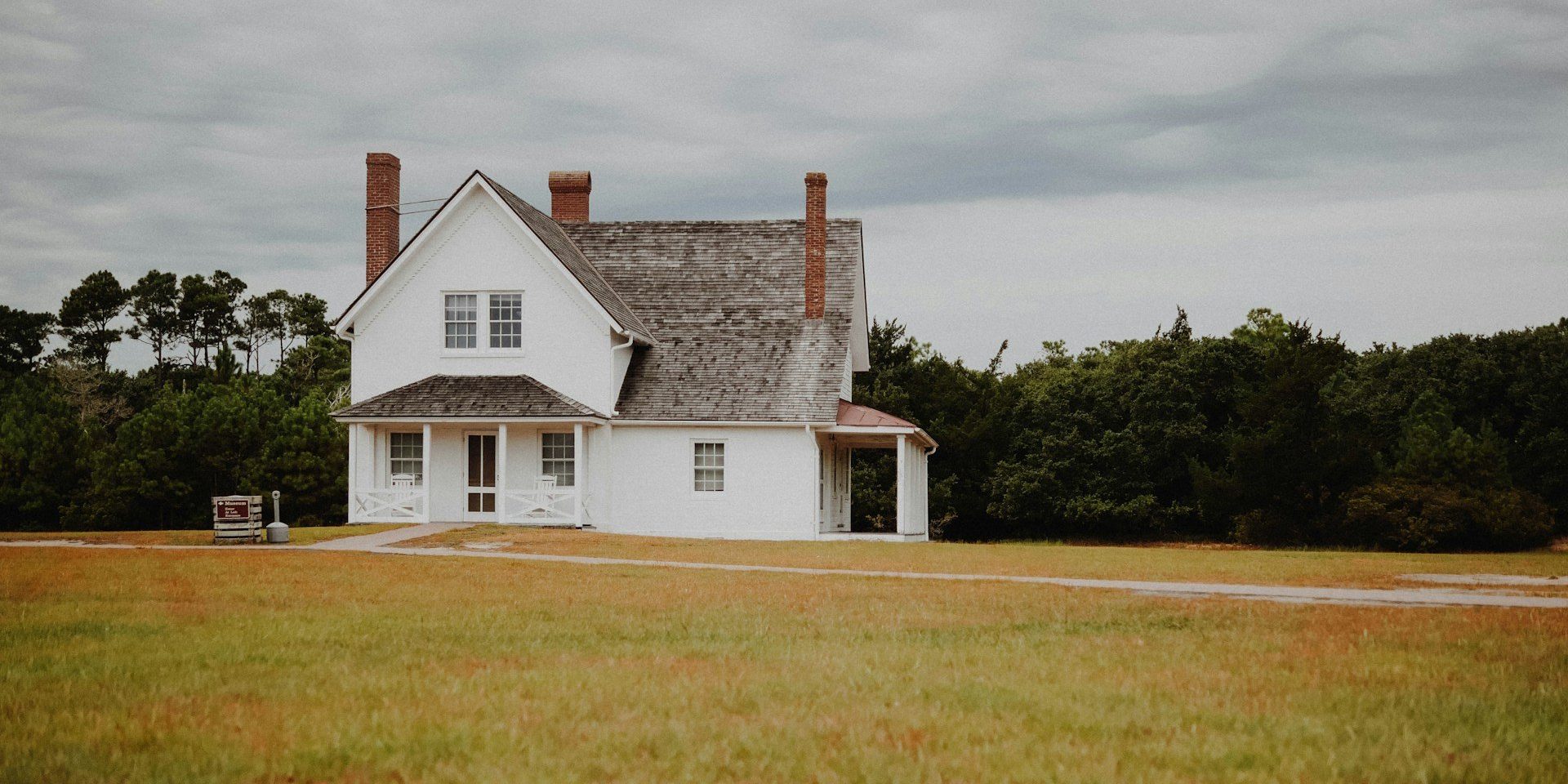
As homeowners, one of our top priorities is maintaining the structural integrity of our homes. A safe and stable foundation is vital to ensuring the longevity of your property, as it supports the entire structure and keeps it level. In 2024, with homes being subjected to various external pressures, including changing weather patterns and increased seismic activity, the importance of tackling foundation issues becomes even more significant.
At AEI Inspections, we have over 30 years of experience providing expert home inspection and structural engineering services in Tulsa, Broken Arrow, and the surrounding areas of North Eastern Oklahoma. We are committed to educating homeowners about potential foundation issues and the necessary steps for their identification, prevention, and resolution.
Common Types of Foundation Issues
Understanding the different types of foundation issues is critical to addressing and resolving them effectively. Here are some common issues homeowners may face:
- Settlement and sinking: Over time, a home’s foundation may settle or sink due to soil movement, poor drainage, or fluctuations in moisture content. This can lead to uneven floors, cracks in walls and ceilings, and misaligned doors and windows.
- Upheaval: In contrast to settlement, upheaval occurs when the foundation is pushed upward, often due to expanding soils or frost heave. Upheaval can cause similar symptoms to settlement, making it essential to accurately diagnose the problem.
- Bowing and bulging walls: Exterior walls may bow or bulge outward due to pressure from excessive water, expansive soils, or poorly compacted backfill. This structural issue can lead to cracks and instability in the foundation.
- Cracks: Foundation cracks can be caused by a variety of issues, including settlement, hydrostatic pressure, or concrete shrinkage. The severity and implications of cracks will depend on their size and location.
Early Warning Signs of Foundation Issues
Being vigilant in detecting early warning signs of foundation issues can potentially save you from costly repairs down the line. Keep an eye out for these red flags:
- Sticking doors and windows: Difficulty in opening and closing doors or windows can be a sign of a shifting foundation affecting the framing.
- Interior/exterior wall cracks: Cracks that appear in walls, especially at the corners or around windows and doors, may suggest foundation problems.
- Sloping or sagging floors: Floors that are noticeably sloping or sagging can indicate foundation settlement or other structural issues.
- Gaps between walls, ceilings, or floors: Gaps between walls and ceilings or floors can be a sign of foundation movement or settling.
- Basement water intrusion: The presence of water in your basement, especially if accompanied by musty odors or mold growth, can be a warning sign of hydrostatic pressure or drainage problems affecting your foundation.
Professional Solutions for Foundation Issues
When foundation issues arise, it is crucial to seek professional guidance to ensure proper diagnosis and repair. Here are some expert solutions for addressing foundation issues:
- Underpinning: This method involves extending the foundation’s depth or breadth to redistribute the weight of the structure on more stable soils. Underpinning methods include helical piers, push piers, and slab piers.
- Wall anchors and braces: Bowing or bulging walls can be stabilized by installing anchors or braces to provide additional support and counteract pressure on the walls.
- Grouting: For certain foundation cracks or voids, injecting grout can help to fill and stabilize the affected area.
- Drainage solutions: Proper drainage solutions, such as installing a sump pump or French drain, will help reduce hydrostatic pressure, prevent basement water intrusion, and protect your foundation.
- Addressing soil issues: Depending on the cause of foundation problems, soil-related solutions may include soil compaction, re-grading, or moisture control measures.
Preventive Measures for Homeowners
Foundation issues can be costly and disruptive, making it essential for homeowners to take preventive measures to protect their homes. Here are some tips:
- Regular inspections: Conduct regular inspections of your home’s interior and exterior for any signs of foundation problems.
- Moisture control: Ensure your gutters and downspouts are working effectively and that the soil grading around your home directs water away from the foundation.
- Maintain vegetation and tree roots: Overgrown vegetation and large roots can affect soil stability and contribute to foundation issues. Keep vegetation trimmed and appropriately distanced from your home.
- Soil compaction: Ensure backfill soil around your home is adequately compacted to minimize settling and foundation movement.
- Consult professionals: Consult experts for advice on foundation-related issues specific to your geographic location and soil type.
Conclusion: Protect Your Home’s Foundation with Expert Support
A stable and secure foundation is essential for the longevity and safety of your home. By educating yourself on the different types of foundation issues, identifying warning signs, and implementing preventive measures, you’ll be better equipped to safeguard your most significant investment. When issues arise, don’t hesitate to seek professional guidance from our experienced team at AEI Inspections. With our expertise in home inspection and structural engineering services in Tulsa, Broken Arrow, and North Eastern Oklahoma, we’ll be there to support you every step of the way. Contact us today to schedule a home inspection in Tulsa and take a proactive approach toward protecting and maintaining your home’s foundation.