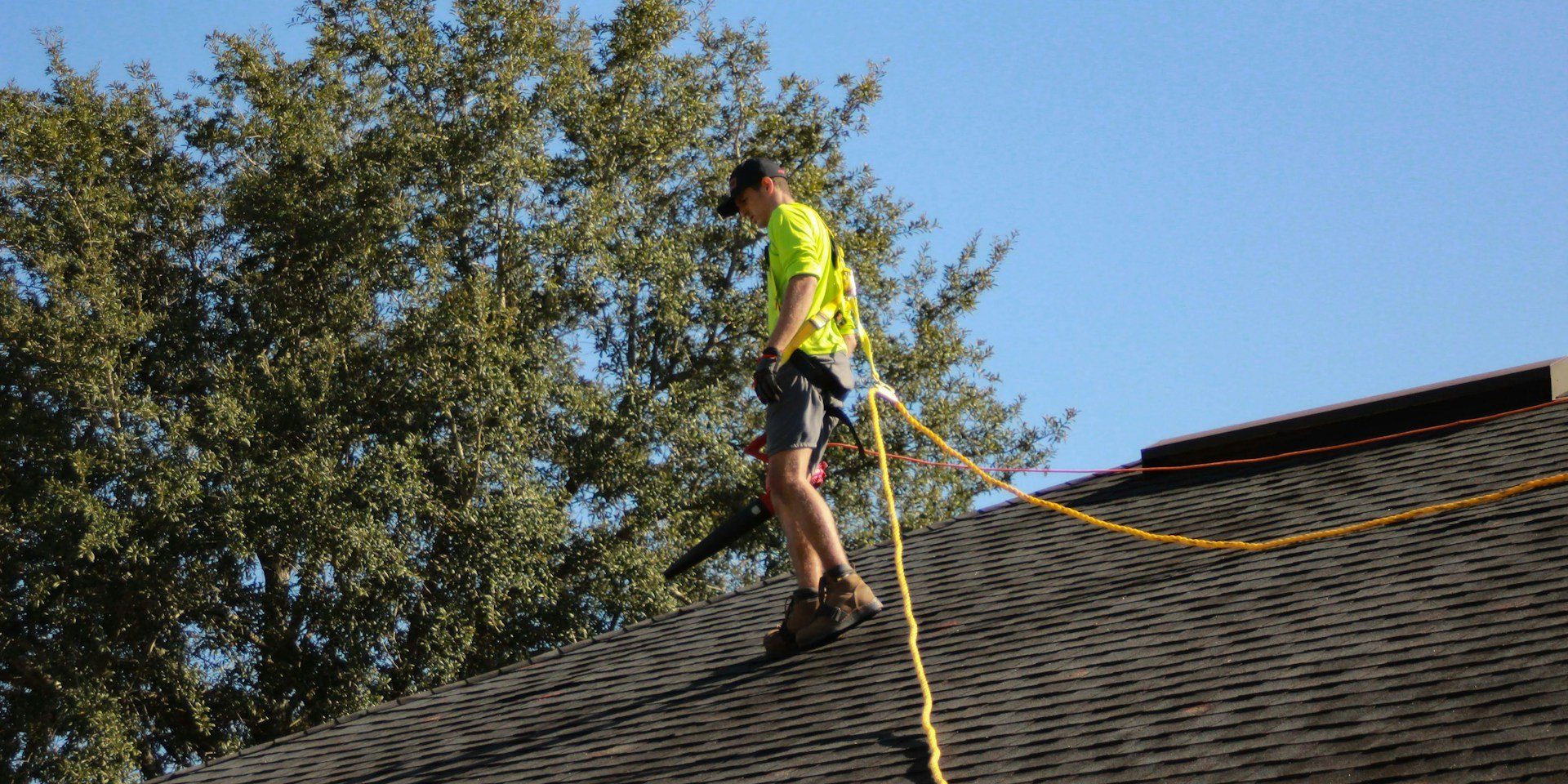
For many homeowners, maintaining the health of their roof can be an easily overlooked aspect of property management. However, neglecting regular roof inspections, especially in an area like North Eastern Oklahoma, where extreme weather conditions are not uncommon, can lead to costly problems and a reduced lifespan for your roofing system. In 2024, it has become increasingly apparent that routine roof inspections are a crucial part of responsible home maintenance, ensuring your family’s safety and protecting your investment.
With over 30 years of experience providing home inspection and structural engineering services in Tulsa, Broken Arrow, and the surrounding areas, we understand the significance of regular roof inspections in ensuring your home’s longevity and safety. Our goal is to educate homeowners about the benefits of routine roof assessments, helping them detect issues early, mitigate risks, and make informed decisions regarding their property.
In this blog, we will explore the importance of regular roof inspections and discuss the critical components our team examines during the inspection process. We will identify common roofing issues, the impact of weather conditions, and the benefits of timely interventions in preserving the integrity of your roof. Lastly, we will provide guidance on how often to conduct roof inspections and share valuable tips on selecting a reliable inspection partner. With this knowledge, you can feel confident in ensuring your roof remains dependable and in prime condition for years to come.
Common Roofing Issues and the Importance of Early Detection
Roofing issues can compromise the structural integrity of your home, cause indoor damage, and become increasingly expensive to address the longer they go undetected. Some common issues that can be identified during a roof inspection include:
- Damaged or missing shingles: Broken, curling or absent shingles may leave your roof more vulnerable to water damage, leading to leaks and structural problems.
- Gutter and downspout issues: Clogged or damaged gutters can prevent proper water drainage, increasing the risk of leaks and compromising the roof’s structure.
- Flashing problems: Deteriorated or incorrectly installed flashing around vents, chimneys, and skylights can allow water to infiltrate, causing leaks and potential mold growth.
- Structural damage: Roof inspections can also identify structural issues such as sagging or compromised support beams, which may indicate more significant underlying problems that must be addressed.
Identifying and addressing these issues early can save homeowners from costly repairs and help extend the lifespan of their roofing systems.
The Impact of Weather Conditions on Your Roof
Extreme weather conditions common in North Eastern Oklahoma, such as heavy rains, hailstorms, strong winds, and fluctuating temperatures, can take a toll on your home’s roof. Regular inspections can help identify potential problems caused by these weather events:
- Hail damage: Hailstorms can leave dents, bruises, or cracks on shingles, compromising their ability to protect against water infiltration.
- Wind damage: Strong winds can tear or dislodge shingles and other roofing materials, exposing your home to potential water damage.
- Thermal stress: Fluctuating temperatures can cause roofing materials to expand and contract, leading to warping, cracking, or loosening of components.
- Debris buildup: Storms can deposit debris on your roof, contributing to gutter clogs and damage.
Knowing how weather conditions can impact your roof is crucial in understanding the importance of regular inspections to assess and address any potential damage.
Roof Inspection Frequency and Best Practices
While the exact frequency of roof inspections depends on factors such as your roof’s age, material, and local weather conditions, we generally recommend the following:
- Biannual inspections: Conduct roof inspections at least twice a year, ideally during spring and fall, before extreme weather conditions arise.
- After severe weather events: Schedule an additional inspection following any significant weather events, such as hailstorms, hurricanes, or tornadoes, that may have damaged your roof.
- Aging roofs: As your roof approaches the end of its expected lifespan, consider more frequent inspections to catch any issues before they become severe.
By following these guidelines, you can catch potential problems early and maintain your roofing system’s overall health and longevity.
Choosing the Right Roof Inspection Partner
Selecting a reliable and experienced home inspector or structural engineer to assess your roof is essential for accurate evaluations and actionable recommendations. Here are some tips for choosing the right professional:
- Experience and qualifications: Look for inspectors with a solid track record and appropriate qualifications, such as certification from recognized home inspection organizations or experience in structural engineering.
- Local knowledge: Choose a professional familiar with your region’s specific challenges and weather conditions to ensure they have the expertise to identify potential concerns efficiently.
- Comprehensive approach: Engage a service provider that offers thorough inspections covering all aspects of your roof, from the structure and materials to gutter systems and flashing.
- Clear communication: Select a partner who provides clear, timely communication and detailed reports outlining any issues found and recommended solutions.
Preserve Your Home’s Integrity with Regular Roof Inspections
By understanding the importance of regular roof inspections, homeowners can proactively address potential issues, protect their investment, and prolong the lifespan of their roofing system. Detecting problems early, knowing the impact of weather conditions, and following recommended best practices for roof inspection frequency can save you money and ensure your home remains strong and safe.
Entrust your roof inspections to the experienced professionals at AEI Inspections. With our decades of expertise in structural engineering and home inspection in Tulsa, Broken Arrow, and North Eastern Oklahoma, we’re committed to helping you maintain a healthy, durable roof for years to come. Contact us today and take the first step towards safeguarding your home against the ravages of time and weather.