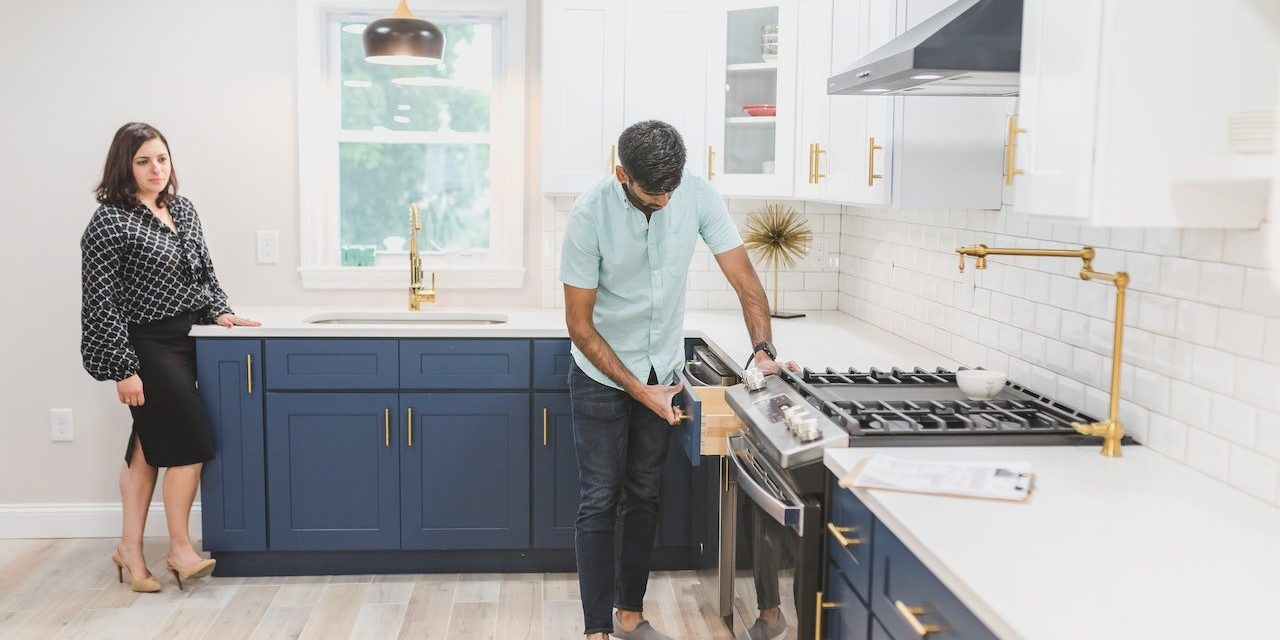
Buying a home is a huge investment, so it’s important to do your due diligence before making a purchase. One of the most important things you can do is to have the property inspected by a professional. There are two main types of inspections that you should consider: a structural inspection and a home inspection. Both types of inspections are important, but they serve different purposes.
What is a Home Inspection?
A home inspection is a visual examination of the physical structure and systems of a home. This includes the roof, gutters, exterior walls, windows, doors, floors, ceilings, and interior walls. The inspector will also look at the home’s electrical system, plumbing, heating and cooling systems, and any appliances that are included in the sale.
The inspector will look for any signs of damage or wear and tear and will also check for any safety hazards. The inspection report will include a list of any major problems that were found, as well as any minor repairs that should be made.
Things a Home Inspector Will Look For
The standards of practice for each home inspector association are similar as they both search for the same things when performing a general home inspection. Here are the primary things that home inspectors observe:
1. Evidence of Water Damage
Water damage is a very common problem that can cause extensive damage to a home’s structure. Water damage can be caused by many things, including leaks in the roof, foundation, or plumbing. The inspector will look for any signs of water damage, such as stained ceilings, walls, or floors.
2. Electrical Problems
The inspector will check all of the home’s electrical outlets and switches to make sure they are working properly. The inspector will also check the electrical panel to ensure it is up to code.
3. Heating and Cooling Systems
The inspector will check the furnace, air conditioner, and any other heating or cooling systems to make sure they are working properly. The inspector will also check for any signs of leaks or damage.
4. Plumbing Problems
The inspector will check all of the home’s plumbing fixtures, such as sinks, toilets, and showers, to make sure they are working properly. The inspector will also check for any signs of leaks or damage.
5. Roof Problems
The inspector will check the roof for any signs of damage, such as leaks or missing shingles. The inspector will also check the gutters and downspouts to ensure they are clear of debris.
6. Foundation Problems
The inspector will check the foundation for any signs of cracks or damage. The inspector will also check the basement or crawlspace for any signs of water damage.
7. Structural Problems
The inspector will check the walls, ceilings, and floors for any signs of cracks or damage. The inspector will also check the doors and windows to make sure they are functioning properly.
8. Pest Problems
The inspector will look for any signs of pests, such as termites, ants, or rodents. The inspector will also check for any signs of damage that has been caused by pests.
Conclusion
While a structural inspection and a home inspection may appear to be similar at first glance, there are actually some key differences between the two. A structural inspection focuses specifically on the foundation and framing of a home, while a home inspection covers all aspects of the home, both inside and out. Additionally, a structural inspection is typically required by lenders during the mortgage process, while a home inspection is generally not required but may be recommended.
Are you looking for a home inspector in Tulsa? Check out AEI Inspections! We will provide the assurance you need to make confident, well-informed decisions. Our inspections can help avoid unpleasant surprises after the deal. Work with us today!